A genetically-determined sequence of physiological processes defines developmental root senescence
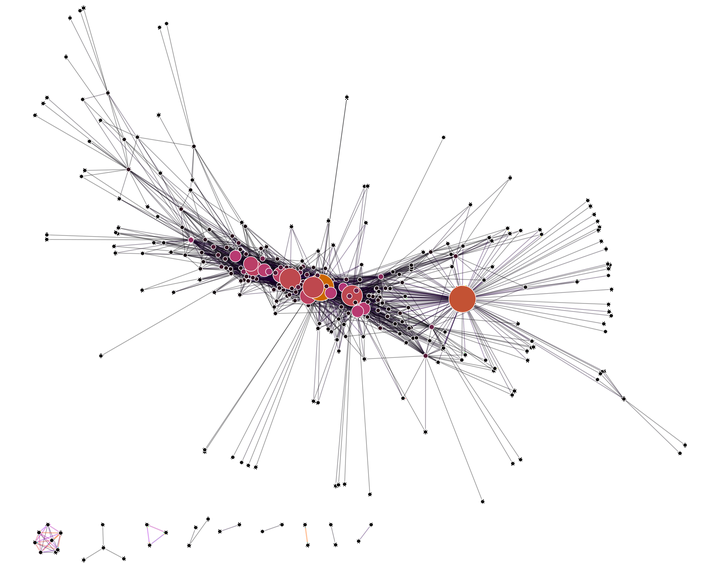 WGCNA of senescence associated genes in Barley © Nara
Abstract
Aging-related processes in plant tissues are associated with changes in developmental and physiological processes that are relevant for stress tolerance and plant performance. So far, senescence-regulated processes have been extensively characterized in leaves but remain poorly described in roots. Here, we investigate physiological processes and molecular determinants underlying senescence of seminal roots in hydroponically-grown barley. Transcriptome profiling in apical and basal root tissues revealed upregulation of several NAC-, WRKY- and AP2-type transcription factors just before root elongation arrested, root cortical cells started lysing and nitrate uptake activity as well as cytokinin concentrations ceased. At this time point, root abscisic acid (ABA) levels peaked, suggesting that ABA triggers further root aging-related processes, which were characterized by expression changes of genes involved in oxidative stress responses. Thus, this temporal sequence of aging-related processes in roots is highly reminiscent to typical organ senescence, except for lacking evidence for nutrient retranslocation from roots. Supported by the identification of senescence-related transcription factors, some of which are not expressed in leaves, our study shows that roots undergo an intrinsic genetically-determined senescence program, which is under predominant influence of plant age